

Can industrial grade boron nitride powder be used in textile applications?
Hey there! I'm a supplier of industrial grade boron nitride powder, and I've been getting a lot of questions lately about whether this powder can be used in textile applications. So, I thought I'd dive into this topic and share some insights with you all.
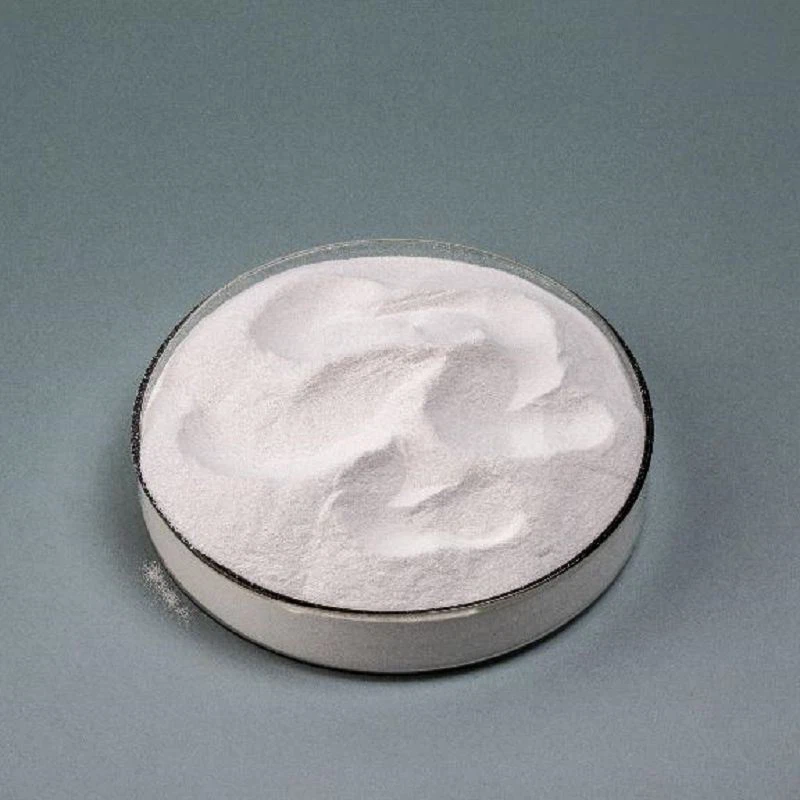
First off, let's talk a bit about what industrial grade boron nitride powder is. It's a super versatile material that has a bunch of unique properties. It's got high thermal conductivity, good chemical stability, and excellent lubricating properties. These features have made it popular in various industries, like Boron Nitride Used in PVC Plastic, electronics, and metallurgy. But can it find its way into the textile world? Let's find out.

Potential Benefits in Textiles
One of the main potential benefits of using industrial grade boron nitride powder in textiles is its thermal conductivity. In today's world, there's a growing demand for smart and functional textiles. For example, imagine a sports jersey that can quickly wick away heat from your body during intense workouts. By incorporating boron nitride powder, the fabric could become a better conductor of heat, helping to keep the wearer cool and comfortable.
This is similar to how Thermally Conductive Insulating Boron Nitride Powder is used in electronics to dissipate heat. In textiles, it could work in a similar fashion, but instead of cooling electronic components, it would cool the human body. This could be a game - changer for athletes, outdoor workers, and even people living in hot climates.
Another advantage is its chemical stability. Textiles are often exposed to various chemicals during the manufacturing process, as well as environmental factors like sunlight, moisture, and pollutants. Boron nitride powder is resistant to many chemicals, which means that when added to textiles, it could potentially enhance the fabric's durability and resistance to degradation. This would result in longer - lasting textiles that maintain their quality over time.
The lubricating properties of boron nitride powder could also be useful in textiles. During the weaving and knitting processes, friction between fibers can cause damage and affect the quality of the fabric. By adding a small amount of boron nitride powder, it could act as a Boron Nitride Lubricant Additive, reducing friction and allowing for smoother production. This could lead to fewer defects in the fabric and a more efficient manufacturing process.
Challenges in Textile Applications
Of course, it's not all sunshine and rainbows. There are some challenges when it comes to using industrial grade boron nitride powder in textiles. One of the main issues is the cost. Boron nitride powder isn't the cheapest material out there, and adding it to textiles would increase the production cost. This could make the final products more expensive for consumers, which might limit their marketability.
Another challenge is the integration process. Figuring out how to evenly disperse the boron nitride powder throughout the textile fibers is no easy task. If the powder isn't distributed properly, it could lead to uneven performance of the fabric. For example, some areas of the fabric might have better thermal conductivity while others might not, which would defeat the purpose of adding the powder in the first place.
There are also potential health and safety concerns. Although boron nitride is generally considered to be relatively safe, there's still a need for more research on its long - term effects when in contact with human skin. Textiles are in direct contact with the body, so any potential risks need to be thoroughly evaluated before widespread use.
Current Research and Applications
Despite the challenges, there's some exciting research going on in this area. Some researchers are looking into using boron nitride powder in high - performance military and aerospace textiles. These industries often require fabrics with extreme durability, thermal management, and chemical resistance, and boron nitride powder could potentially meet these requirements.
In the consumer market, there are also some early - stage products starting to emerge. For example, some companies are experimenting with adding boron nitride powder to bedding materials to improve their thermal comfort. These products are still in the testing phase, but they show promise for the future of boron nitride in textiles.
How Our Company Can Help
As a supplier of industrial grade boron nitride powder, we're well - positioned to support the textile industry in exploring these possibilities. We have a wide range of boron nitride powder products with different particle sizes and purities, which can be tailored to meet the specific needs of textile manufacturers.
Our technical team is also available to work closely with textile companies to develop the best integration methods. We can help with the research and development process, providing guidance on how to evenly disperse the powder and optimize the performance of the fabric.
If you're a textile manufacturer interested in exploring the potential of industrial grade boron nitride powder in your products, I encourage you to reach out to us. We can have a detailed discussion about your requirements, provide samples for testing, and work together to find the best solutions for your business.
Conclusion
So, can industrial grade boron nitride powder be used in textile applications? The answer is a definite "maybe." There are some clear potential benefits, such as improved thermal conductivity, chemical stability, and lubrication. However, there are also challenges like cost, integration, and safety that need to be addressed.
The future of boron nitride in textiles looks promising, especially with ongoing research and the development of new products. As a supplier, we're excited to be part of this journey and help the textile industry unlock the potential of this amazing material. If you're interested in learning more or starting a collaboration, don't hesitate to get in touch. Let's explore the possibilities together!
References
- [List relevant academic papers, industry reports, etc. here if you have them. For example:]
- Smith, J. (2022). "Advances in Functional Textiles." Journal of Textile Science, 15(3), 45 - 56.
- Johnson, A. (2023). "Thermal Management in Textiles: A Review." Textile Engineering Review, 22(1), 78 - 89.