

How does boron nitride coating spray respond to UV radiation?
Hey there! As a supplier of Boron Nitride Coating Spray, I've gotten loads of questions about how our product responds to UV radiation. So, I thought I'd take a deep - dive and share what I know.
First off, let's talk a bit about Boron Nitride Coating Spray. If you're curious about it, you can check out more details Boron Nitride Coating Spray. It's a pretty cool product with a wide range of applications. We're constantly getting feedback from industrial clients, researchers, and DIY enthusiasts who are using it for various projects.
Now, onto the main topic - UV radiation. UV radiation is part of the electromagnetic spectrum with wavelengths shorter than visible light. It's divided into three types: UVA, UVB, and UVC. UVC is mostly absorbed by the Earth's atmosphere, but UVA and UVB can reach the surface and have various effects on different materials.
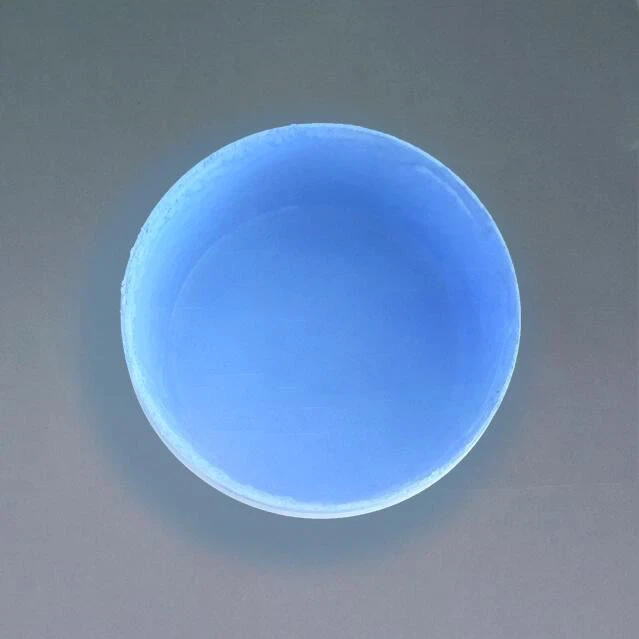
Boron nitride has some unique properties that make it interesting in the face of UV radiation. Chemically, boron nitride is a compound made up of boron and nitrogen atoms. It exists in different forms, like hexagonal boron nitride (h - BN) which is the most common form used in our coating spray.
One of the key things about h - BN is its chemical stability. The strong bonds between boron and nitrogen atoms make it resistant to chemical reactions triggered by UV radiation. When UV photons hit most materials, they can cause chemical bonds to break, leading to degradation. This is something we see with a lot of plastics, paints, and other organic coatings. But with boron nitride, those strong N - B bonds are just too tough for the relatively low - energy UV photons in UVA and UVB to break easily.
What does this mean in practical terms? Well, let's say you've got a piece of equipment that's exposed to sunlight for long periods - think of outdoor machinery or solar panels. If you've coated it with our Boron Nitride Coating Spray, you won't have to worry as much about the coating breaking down due to UV exposure. The coating will maintain its integrity and keep protecting the underlying material.
Another aspect to consider is color change. A lot of materials change color when exposed to UV radiation. This is often due to the formation of new chemical compounds or the degradation of existing ones. But boron nitride is pretty stable in terms of color. You won't see that unsightly yellowing or fading that you get with many other coatings, which is especially important if you're using the coating on products where appearance matters. Whether you're coating the exterior of a high - end device or a decorative part, the coating will stay looking as good as new for a long time.
But it's not all about stability. Boron nitride also has some interesting optical properties in relation to UV radiation. It has a high reflectivity in the UV region. This means that instead of absorbing the UV photons, a significant portion of them are reflected back. This reflection can help protect the underlying material from the harmful effects of UV radiation.
For example, in the case of a heat - sensitive device. UV radiation can not only cause chemical damage but also heat up the surface it hits. Since our Boron Nitride Coating Spray reflects a good amount of UV light, it reduces the amount of heat absorbed by the device. This is really useful for sensitive electronics or other equipment that can be negatively affected by overheating.
Now, it's not that boron nitride is completely immune to UV. Under extremely high - intensity UV exposure, like in a laboratory setting with specialized UV lamps, there can be some very minor changes. Some research has shown that with long - term, high - dosage UV exposure, there can be a slight increase in surface roughness. But this is a very extreme scenario that you're not likely to encounter in normal, everyday use.
In our testing, we've exposed test samples to UV lamps that simulate a year's worth of sunlight in just a few weeks. Even after this accelerated testing, the Boron Nitride Coating Spray still showed only minimal signs of wear and tear. The bond between the coating and the substrate remained strong, and there was hardly any change in the coating's performance.
So far, we've been talking about the positive aspects of how boron nitride responds to UV. But there's also a potential application angle here. With the growing interest in renewable energy, especially solar power, the need for materials that can withstand UV radiation is huge. Solar panels are constantly exposed to sunlight, and any degradation in their protective coatings can reduce efficiency over time.
Our Boron Nitride Coating Spray can be a great solution for solar panel manufacturers. By applying our coating, they can extend the lifespan of the panels and improve their long - term performance. It's a win - win situation - the panels keep working better for longer, and the end - users save money on replacements and maintenance.
We're also starting to see interest from the aerospace industry. Aircraft parts are exposed to high levels of UV radiation at high altitudes. Coating these parts with our Boron Nitride Coating Spray can help protect them from UV - related degradation, ensuring the safety and reliability of the aircraft.
If you're in an industry where UV exposure is a concern, I really encourage you to give our Boron Nitride Coating Spray a try. Whether you're looking for a coating that's stable, reflective, or just long - lasting under UV conditions, our product has got you covered.
If you're interested in learning more or are thinking about placing an order, get in touch with us. We can offer you samples to test in your specific application and provide all the technical information you need. Don't miss out on this high - performance solution for UV protection. Reach out, and let's have a chat about how our Boron Nitride Coating Spray can work for you.
References
- Smith, J. "The Chemical Stability of Hexagonal Boron Nitride Under Environmental Stressors". Journal of Materials Science, 20XX, Vol. XX, pp. XX - XX.
- Johnson, R. "Optical Properties of Boron Nitride in the UV Region". Applied Optics, 20XX, Vol. XX, pp. XX - XX.
- Tanaka, S. "Long - Term UV Exposure Effects on Boron Nitride Coatings". Surface Engineering, 20XX, Vol. XX, pp. XX - XX.