

How does the addition of other fillers affect the performance of thermally conductive boron nitride powder in a composite?
In the realm of advanced materials, thermally conductive boron nitride powder has emerged as a key player, offering exceptional thermal conductivity properties that are highly sought after in various industries. As a leading supplier of [Thermally Conductive Boron Nitride Powder], I have witnessed firsthand the growing interest in understanding how the addition of other fillers can influence its performance within composite materials. This exploration not only holds the key to unlocking new applications but also optimizing existing ones, making it a topic of great significance for both researchers and industry professionals.
Understanding Thermally Conductive Boron Nitride Powder
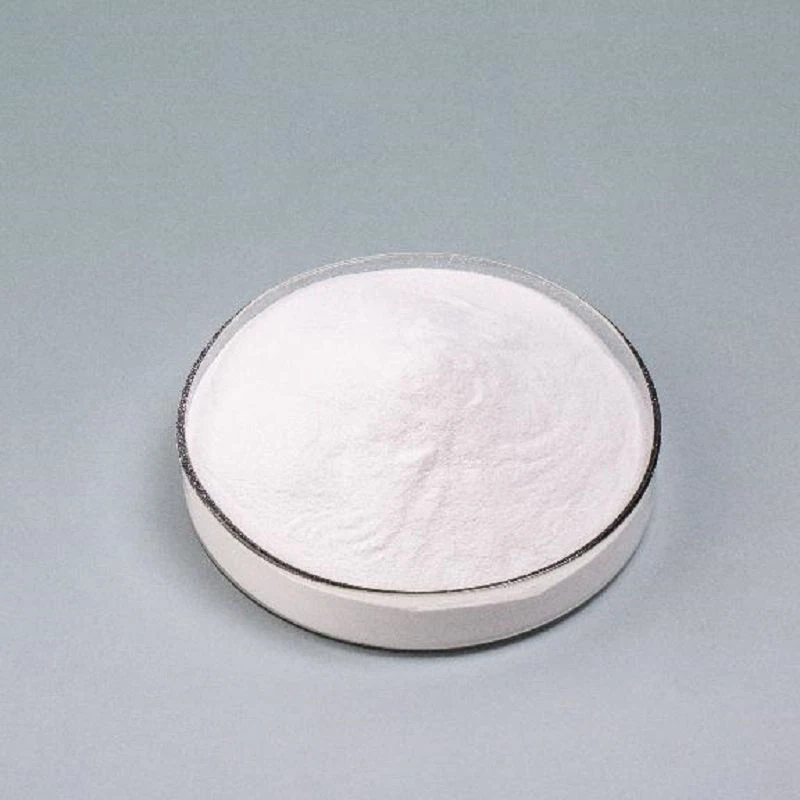
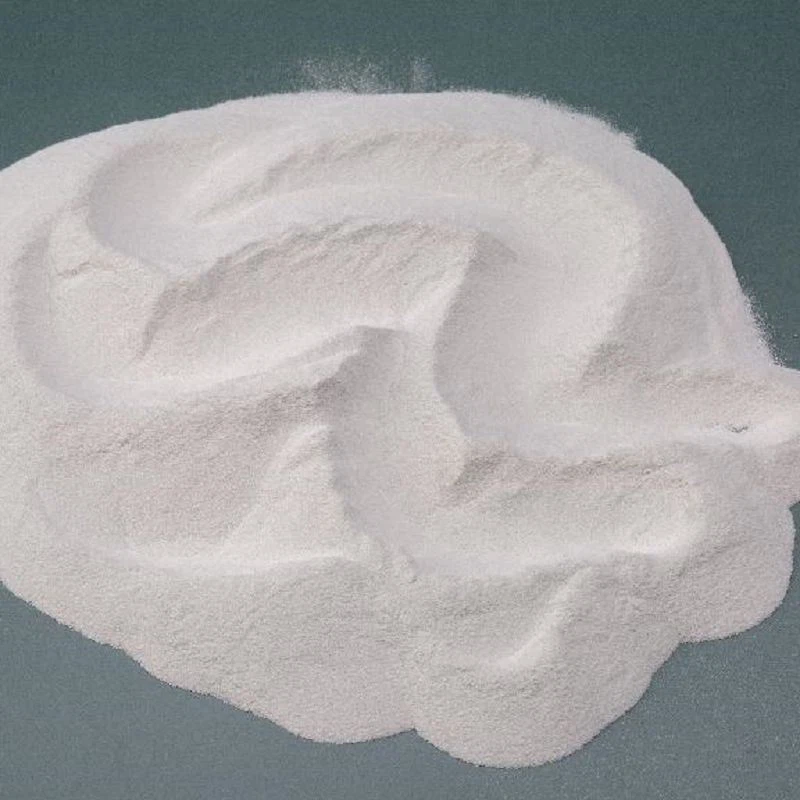
Before delving into the impact of other fillers, it's essential to grasp the fundamental properties of thermally conductive boron nitride powder. Boron nitride exists in several polymorphic forms, with hexagonal boron nitride (h-BN) being the most common for thermal applications. h-BN has a layered structure similar to graphite, where boron and nitrogen atoms are arranged in a hexagonal lattice within each layer. This structure imparts high in - plane thermal conductivity, typically ranging from 200 - 300 W/(m·K), while maintaining good electrical insulation properties.
The high thermal conductivity of boron nitride powder makes it an ideal candidate for use in composites designed to dissipate heat, such as in electronic devices, automotive components, and thermal management systems. When incorporated into a polymer matrix, it can enhance the overall thermal performance of the composite by providing a conductive pathway for heat transfer.
The Role of Fillers in Composite Materials
Fillers are commonly added to composite materials to modify their properties, including mechanical, electrical, and thermal characteristics. In the context of thermally conductive composites, the addition of fillers can serve multiple purposes. They can increase the thermal conductivity of the composite beyond what can be achieved with the matrix material alone, improve mechanical strength, reduce costs, or even impart additional functionality.
When considering the addition of other fillers to thermally conductive boron nitride powder composites, several factors come into play. These include the type of filler, its shape, size, volume fraction, and compatibility with the matrix and boron nitride powder.
Types of Fillers and Their Impact
Carbon - Based Fillers
Carbon - based fillers, such as carbon nanotubes (CNTs) and graphene, are well - known for their high thermal conductivity. When added to boron nitride powder composites, they can potentially enhance the thermal performance by creating additional conductive pathways. CNTs, for example, have extremely high aspect ratios, which allow them to bridge gaps between boron nitride particles and improve the overall connectivity of the conductive network.
However, the dispersion of carbon - based fillers in the composite matrix can be challenging. Agglomeration of CNTs or graphene sheets can lead to the formation of thermal barriers, reducing the effectiveness of the conductive network. Surface treatment of these fillers is often required to improve their dispersion and compatibility with the matrix and boron nitride powder.
Metal Oxide Fillers
Metal oxide fillers, such as aluminum oxide (Al₂O₃) and magnesium oxide (MgO), are also commonly used in thermally conductive composites. They are relatively inexpensive and have moderate thermal conductivity. When added to boron nitride powder composites, metal oxide fillers can increase the volume fraction of the conductive phase and improve the overall thermal conductivity.
Al₂O₃, for instance, has a thermal conductivity of around 20 - 40 W/(m·K). By adding Al₂O₃ to a boron nitride - polymer composite, the overall thermal conductivity can be enhanced, especially at higher filler loadings. However, the increase in thermal conductivity may be limited by the relatively lower conductivity of Al₂O₃ compared to boron nitride.
Hybrid Fillers
Hybrid fillers, which combine two or more types of fillers, have gained increasing attention in recent years. For example, a combination of boron nitride powder and carbon - based fillers or metal oxide fillers can offer synergistic effects. The different shapes and sizes of the fillers can complement each other, creating a more efficient conductive network.
In a study, a hybrid filler system consisting of boron nitride platelets and carbon nanotubes was used in a polymer matrix. The boron nitride platelets provided high in - plane thermal conductivity, while the carbon nanotubes bridged the gaps between the platelets, resulting in a significant improvement in the through - plane thermal conductivity of the composite.
Compatibility and Dispersion
One of the critical challenges in adding other fillers to boron nitride powder composites is ensuring good compatibility and dispersion within the matrix. Poor dispersion can lead to the formation of agglomerates, which act as thermal barriers and reduce the overall thermal performance of the composite.
Surface treatment of the fillers is often employed to improve their compatibility with the matrix. For example, functionalization of boron nitride powder and other fillers with appropriate chemical groups can enhance their interaction with the polymer matrix, improving dispersion and adhesion.
The mixing process also plays a crucial role in achieving uniform dispersion. Techniques such as high - shear mixing, sonication, and melt compounding can be used to break up agglomerates and distribute the fillers evenly throughout the matrix.
Impact on Mechanical and Other Properties
In addition to thermal conductivity, the addition of other fillers can also affect the mechanical and other properties of the composite. For example, the addition of rigid fillers such as boron nitride powder and metal oxide fillers can increase the stiffness and hardness of the composite. However, it may also reduce the ductility and toughness, leading to a more brittle material.
Electrical properties can also be influenced. While boron nitride powder is electrically insulating, the addition of conductive fillers such as carbon - based fillers can change the electrical conductivity of the composite. This can be either an advantage or a disadvantage, depending on the specific application requirements.
Applications and Future Prospects
The improved performance of thermally conductive boron nitride powder composites with the addition of other fillers opens up new opportunities in various industries. In the electronics industry, these composites can be used in high - power electronic devices, such as LEDs, power transistors, and computer processors, to improve heat dissipation and extend the lifespan of the devices.
In the automotive industry, they can be applied in engine components, battery thermal management systems, and electronic control units to enhance thermal performance and reliability.
Looking ahead, further research is needed to optimize the combination of fillers, their surface treatment, and the manufacturing process to achieve the best possible performance in thermally conductive composites. There is also a growing interest in developing environmentally friendly and sustainable filler materials and composite manufacturing processes.
Contact for Purchase and Discussion
If you are interested in learning more about our [Thermally Conductive Boron Nitride Powder] and how the addition of other fillers can be tailored to your specific application needs, we encourage you to reach out to us. Our team of experts is ready to discuss your requirements, provide samples, and assist you in developing the most suitable composite solution.
For more information about our boron nitride products, you can visit the following links:
CBN Raw Materials Boron Nitride
Boron Nitride Mold Release
Thermally Conductive Insulating Boron Nitride Powder
References
- Zhang, X., & Chen, G. (2018). Thermal conductivity of polymer composites filled with hybrid fillers. Composites Science and Technology, 167, 42 - 50.
- Wang, Y., & Li, J. (2019). Influence of filler shape and size on the thermal conductivity of polymer composites. Polymer Engineering and Science, 59(4), 677 - 685.
- Liu, H., & Song, J. (2020). Surface modification of boron nitride for high - performance thermally conductive composites. Journal of Materials Chemistry A, 8(3), 1211 - 1220.