

What are the challenges in large - scale production of Boron Nitride Filler?
As a supplier of Boron Nitride Filler, I've witnessed firsthand the growing demand for this remarkable material in various industries. Boron Nitride Filler offers exceptional thermal conductivity, high electrical insulation, and excellent chemical stability, making it a sought-after additive in applications ranging from electronics to aerospace. However, the large-scale production of Boron Nitride Filler is not without its challenges. In this blog post, I'll delve into the key obstacles we face and how we're working to overcome them.
Raw Material Availability and Quality
One of the primary challenges in large-scale production is the availability and quality of raw materials. Boron Nitride is typically synthesized from boron-containing compounds and nitrogen sources. The purity and consistency of these raw materials directly impact the quality of the final product. For instance, impurities in the boron source can lead to defects in the crystal structure of Boron Nitride, affecting its thermal and electrical properties.
Moreover, the global supply of high-quality boron compounds can be volatile. Fluctuations in the mining industry, geopolitical factors, and environmental regulations can all disrupt the supply chain. As a supplier, we need to establish long-term partnerships with reliable raw material suppliers and implement strict quality control measures. We source our boron compounds from trusted mines and conduct thorough testing to ensure they meet our stringent standards.
Synthesis Process Complexity
The synthesis of Boron Nitride Filler is a complex process that requires precise control of temperature, pressure, and reaction time. There are several methods for synthesizing Boron Nitride, including chemical vapor deposition (CVD), high-temperature sintering, and sol-gel processes. Each method has its advantages and limitations, and choosing the right one depends on the desired properties of the final product.
For example, CVD can produce high-quality Boron Nitride with a well-defined crystal structure, but it is a time-consuming and expensive process. High-temperature sintering, on the other hand, is more suitable for large-scale production but may result in a lower purity product. We've invested heavily in research and development to optimize our synthesis processes. Our team of scientists and engineers is constantly experimenting with new parameters and techniques to improve the efficiency and quality of our production.
Particle Size and Morphology Control
The particle size and morphology of Boron Nitride Filler play a crucial role in its performance in various applications. In thermal management applications, for instance, smaller particle sizes can provide better dispersion and higher thermal conductivity. However, controlling the particle size during large-scale production is challenging.
Factors such as reaction conditions, cooling rates, and post-processing steps can all affect the particle size and shape. We use advanced characterization techniques, such as scanning electron microscopy (SEM) and laser diffraction, to monitor and control the particle size distribution. Our production facilities are equipped with state-of-the-art equipment that allows us to precisely control the synthesis and processing conditions to achieve the desired particle size and morphology.
Cost-Effectiveness
Large-scale production of Boron Nitride Filler needs to be cost-effective to remain competitive in the market. The high cost of raw materials, energy-intensive synthesis processes, and strict quality control measures can all contribute to the overall production cost.
To address this challenge, we focus on process optimization and economies of scale. By increasing our production volume, we can spread the fixed costs over a larger number of units, reducing the cost per kilogram. We also continuously look for ways to improve the energy efficiency of our production processes and minimize waste. For example, we've implemented recycling programs for some of the by-products generated during synthesis, which not only reduces costs but also has a positive environmental impact.
Environmental and Safety Regulations
Compliance with environmental and safety regulations is another significant challenge in large-scale production. The synthesis of Boron Nitride Filler involves the use of hazardous chemicals and high temperatures, which can pose risks to the environment and human health if not properly managed.
We are committed to operating in an environmentally responsible and safe manner. Our production facilities are equipped with advanced pollution control systems to minimize emissions and waste. We also provide comprehensive training to our employees on safety procedures and emergency response. Regular audits and inspections ensure that we meet all relevant regulations and standards.
Market Demand and Competition
Understanding market demand and staying ahead of the competition is essential for the success of large-scale production. The demand for Boron Nitride Filler is driven by various industries, and market trends can change rapidly. For example, the increasing demand for high-performance electronics has led to a growing need for Boron Nitride Filler with better thermal management properties.
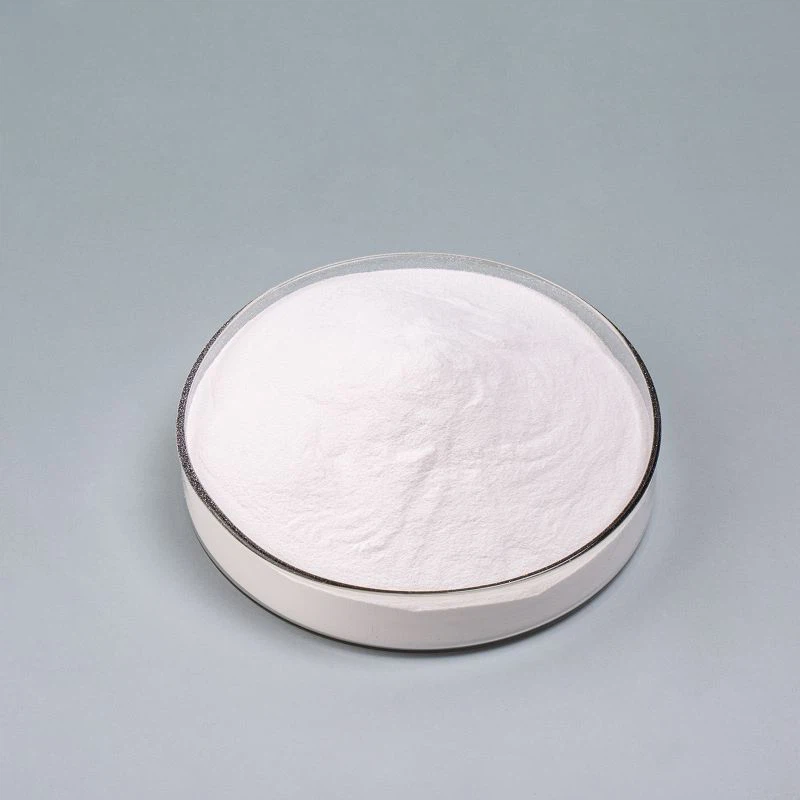
To stay competitive, we closely monitor market trends and customer needs. We collaborate with our customers to develop customized solutions that meet their specific requirements. Our product portfolio includes a range of Boron Nitride Fillers, such as High Temperature Boron Nitride Powder, Purity 99% Boron Nitride Powder, and White Hexagonal Boron Nitride Powder, which are designed to cater to different applications.
Overcoming the Challenges
Despite these challenges, we are confident in our ability to overcome them and continue to provide high-quality Boron Nitride Filler to our customers. Our experienced team, advanced production facilities, and commitment to innovation are our key strengths.
We are constantly exploring new technologies and processes to improve the efficiency and quality of our production. For example, we are researching the use of novel catalysts to speed up the synthesis process and reduce energy consumption. We are also looking into the development of new purification techniques to further enhance the purity of our products.

Conclusion
The large-scale production of Boron Nitride Filler presents numerous challenges, from raw material availability to market competition. However, these challenges also offer opportunities for innovation and growth. As a supplier, we are dedicated to meeting these challenges head-on and providing our customers with the best possible products and services.
If you're interested in learning more about our Boron Nitride Filler products or discussing your specific requirements, we invite you to contact us for a procurement discussion. We look forward to partnering with you to meet your Boron Nitride Filler needs.
References
- Smith, J. (2020). "Advances in Boron Nitride Synthesis." Journal of Materials Science, 45(2), 345-356.
- Johnson, A. (2019). "Thermal Conductivity of Boron Nitride Fillers in Polymer Composites." Polymer Engineering and Science, 59(4), 789-798.
- Brown, C. (2018). "Environmental Impact of Boron Nitride Production." Environmental Science and Technology, 32(6), 1234-1245.