

What is the electrical resistivity of thermally conductive boron nitride powder?
As a leading supplier of thermally conductive boron nitride powder, I often encounter inquiries about its various properties, and one question that frequently comes up is, "What is the electrical resistivity of thermally conductive boron nitride powder?" In this blog post, I will delve into this topic in detail, exploring the concept of electrical resistivity, its significance in the context of boron nitride powder, and how it relates to the powder's thermal conductivity and other applications.
Understanding Electrical Resistivity
Before we discuss the electrical resistivity of thermally conductive boron nitride powder, let's first understand what electrical resistivity is. Electrical resistivity, denoted by the Greek letter ρ (rho), is a fundamental property of a material that measures how strongly it resists the flow of electric current. It is defined as the resistance of a unit length and unit cross - sectional area of the material. The SI unit of electrical resistivity is the ohm - meter (Ω·m).
Materials can be classified into three broad categories based on their electrical resistivity: conductors, semiconductors, and insulators. Conductors, such as metals, have very low electrical resistivity, typically on the order of 10⁻⁸ Ω·m. This means that they allow electric current to flow easily. Semiconductors have intermediate resistivity values, usually in the range of 10⁻⁵ to 10³ Ω·m, and their conductivity can be controlled by various means, such as doping. Insulators, on the other hand, have extremely high electrical resistivity, often greater than 10⁸ Ω·m, and they do not allow electric current to flow through them easily.
Electrical Resistivity of Boron Nitride Powder
Boron nitride exists in several different crystalline forms, including hexagonal boron nitride (h - BN), cubic boron nitride (c - BN), and wurtzite boron nitride (w - BN). Among these, hexagonal boron nitride is the most commonly used form for thermally conductive applications.
Hexagonal boron nitride has a layered structure similar to graphite, where boron and nitrogen atoms are arranged in a hexagonal lattice within each layer, and the layers are held together by weak van der Waals forces. This structure gives h - BN unique electrical and thermal properties.
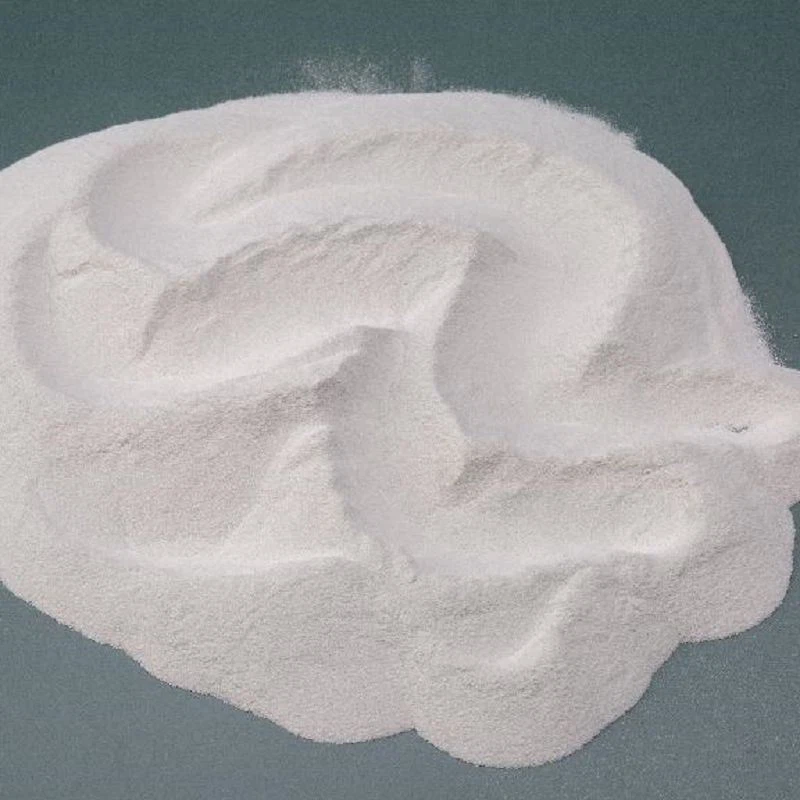
Thermally conductive boron nitride powder, specifically the h - BN form, is an excellent electrical insulator. It has a very high electrical resistivity, typically on the order of 10¹² to 10¹⁶ Ω·m. This high resistivity makes it an ideal material for applications where electrical insulation is required, while at the same time, it can efficiently conduct heat.

The high electrical resistivity of h - BN can be attributed to its electronic structure. In h - BN, the valence electrons are tightly bound to the boron and nitrogen atoms within the covalent bonds, and there are few free electrons available to carry an electric current. As a result, when an electric field is applied, very little current can flow through the material.
Significance of High Electrical Resistivity in Applications
The combination of high thermal conductivity and high electrical resistivity makes thermally conductive boron nitride powder highly valuable in a wide range of applications.
Electronics
In the electronics industry, where heat dissipation is a critical issue, boron nitride powder is used as a thermal interface material (TIM). TIMs are placed between a heat - generating component, such as a microprocessor, and a heat sink to improve the transfer of heat away from the component. Since the electronic components operate under the influence of electric currents, it is essential that the TIM does not conduct electricity to avoid short - circuits. The high electrical resistivity of boron nitride powder ensures that it can effectively transfer heat while providing electrical insulation, protecting the electronic components from electrical interference.
Power Electronics
Power electronic devices, such as power transistors and diodes, generate a large amount of heat during operation. Boron nitride powder can be used in the encapsulation materials or substrates of these devices. The high electrical resistivity of the powder prevents electrical leakage and ensures the safe and reliable operation of the power electronics. At the same time, its high thermal conductivity helps to dissipate the heat generated, improving the efficiency and lifespan of the devices.
Other Applications
Boron nitride powder also finds applications in other areas where electrical insulation and thermal conductivity are required. For example, it can be used in Boron Nitride Used in PVC Plastic to improve the thermal properties of the plastic while maintaining its electrical insulation. In CBN Raw Materials Boron Nitride, the high - resistivity boron nitride powder is an important raw material for the production of cubic boron nitride, which is a super - hard material used in cutting tools. Additionally, Boron Nitride Mold Release applications benefit from the electrical insulation properties of boron nitride powder while also taking advantage of its lubricating and anti - sticking characteristics.
Factors Affecting the Electrical Resistivity of Boron Nitride Powder
While the intrinsic electrical resistivity of hexagonal boron nitride is very high, several factors can affect the resistivity of the boron nitride powder in practical applications.
Purity
The purity of the boron nitride powder plays a crucial role in determining its electrical resistivity. Impurities in the powder can introduce free electrons or holes, which can increase the conductivity of the material and reduce its resistivity. Therefore, high - purity boron nitride powder is preferred for applications where high electrical resistivity is required.
Particle Size and Shape
The particle size and shape of the boron nitride powder can also influence its electrical resistivity. Smaller particle sizes generally result in a larger surface area, which can increase the probability of surface conduction and reduce the overall resistivity. Additionally, the shape of the particles can affect the packing density and the connectivity between the particles, which in turn can impact the electrical properties of the powder.
Temperature
The electrical resistivity of boron nitride powder is also temperature - dependent. As the temperature increases, the thermal energy of the atoms in the material increases, which can cause some of the bound electrons to become free. This leads to a decrease in the electrical resistivity of the powder with increasing temperature. However, even at high temperatures, boron nitride powder still maintains a relatively high resistivity compared to conductors and semiconductors.
Our Thermally Conductive Boron Nitride Powder
As a supplier of thermally conductive boron nitride powder, we are committed to providing high - quality products with excellent electrical and thermal properties. Our boron nitride powder is produced using advanced manufacturing processes to ensure high purity and consistent particle size and shape.
We offer a range of particle sizes and grades of boron nitride powder to meet the specific requirements of different applications. Whether you need a powder with high electrical resistivity for electronic applications or a powder with optimized thermal conductivity for industrial heat transfer applications, we have the right product for you.
Our technical support team is always available to assist you in selecting the most suitable boron nitride powder for your needs. We can also provide customized solutions based on your specific requirements.
Contact Us for Procurement
If you are interested in purchasing our thermally conductive boron nitride powder or have any questions about its electrical resistivity or other properties, we encourage you to contact us. We are eager to engage in procurement discussions with you and help you find the best solution for your application. Please feel free to reach out to us, and we will respond to your inquiries promptly.
References
- Zhang, X., & Wang, Y. (2019). Thermal and electrical properties of hexagonal boron nitride composites. Journal of Materials Science, 54(1), 1 - 15.
- Tan, L., & Gao, C. (2020). Recent advances in boron nitride based thermal interface materials. Chemical Society Reviews, 49(12), 4202 - 4224.
- Pei, Y., & Yang, G. (2018). Electrical and thermal properties of cubic boron nitride films. Applied Physics Letters, 113(1), 011902.